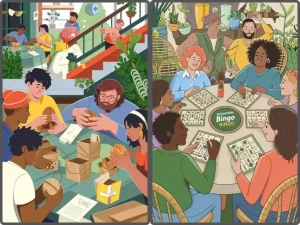
Let’s be honest—when you think of bingo, “eco-friendly” might not be the first phrase that springs to mind. We picture paper cards, plastic daubers, and maybe even little plastic prize tokens. But here’s the deal: every industry is getting a green makeover, and the wonderful world of bingo is no exception. Planning a sustainable bingo night isn’t about sacrificing fun. It’s about making thoughtful choices that feel good, from the cards in your hand to the snacks on the table.
Honestly, it’s easier than you might think. Let’s dive into how you can host a bingo event that’s light on waste and heavy on community spirit.
Rethinking the Essentials: Sustainable Bingo Supplies
This is where the magic—and the biggest impact—happens. Swapping out traditional, single-use items for greener alternatives is your core strategy. It’s like giving your event a quiet environmental upgrade.
1. The Cards: Beyond Throwaway Paper
Paper cards are the classic, sure. But they’re used once and tossed. Consider these options instead:
- Reusable Dry-Erase Cards: These are a game-changer. Players use dry-erase markers to dab numbers. After the game, just wipe them clean. They last for hundreds of games, paying for themselves over time and slashing paper waste to virtually zero.
- Seed Paper Cards: For a truly beautiful touch, use cards embedded with wildflower seeds. After the event, players can literally plant their card and watch flowers grow. It’s a memorable, circular solution.
- 100% Recycled & Recyclable Paper: If you must use disposable cards, source them from post-consumer recycled content. And crucially, set up a clearly marked recycling bin right there in the hall.
2. The Daubers: Ditching Single-Use Plastic
Those little plastic ink bottles? They’re a landfill nightmare. Here’s the greener playbook:
- Refillable Daubers: Invest in durable, ergonomic daubers with replaceable ink pads or refillable ink chambers. They feel nicer to use, and you’re just refilling a tiny reservoir instead of throwing away an entire unit.
- Natural & Non-Toxic Inks: Pair those refillables with inks made from natural, non-toxic ingredients. Better for the planet and for the players handling them.
- Alternative Markers: For dry-erase cards, use standard dry-erase markers from brands with take-back recycling programs. Or, get creative with tokens—think reusable glass beads or even dried beans for a rustic feel.
The Bigger Picture: Eco-Conscious Event Planning
Supplies are one thing. But a truly sustainable event looks at the whole ecosystem—the venue, the prizes, the snacks. It’s all connected.
Venue and Atmosphere
Choose a venue with good natural light to cut down on energy use. If it’s a daytime event, maybe you don’t need those overhead lights on at all. Opt for a local community center or hall that’s accessible by public transport or bike—reducing the carbon footprint of travel is a huge, often overlooked win.
Decorations? Skip the plastic bunting. Use fabric banners, potted plants (which can double as prizes!), or upcycled paper crafts. Mood lighting with LED bulbs, of course.
Prizes with a Purpose
This is the fun part. Move away from mass-produced, plastic trinkets. Think local, experiential, or charitable:
- Gift cards to local, sustainable businesses or cafes.
- Products from local artisans or farmers’ markets.
- Potted herbs or small houseplants.
- Donations made in the winner’s name to a local environmental charity.
- Reusable items like stainless steel water bottles, tote bags, or beeswax wraps.
Zero-Waste Refreshments
No bingo night is complete without snacks. But the chip bowl and solo cups have to go.
Offer refreshments in bulk. A large dispenser of lemonade or iced tea instead of individual bottles. Platters of cookies or fruit instead of wrapped snacks. And this is key: use real plates, cups, and cutlery. If that’s not feasible, choose certified compostable options—and have a compost bin right next to the recycling and trash.
Encourage attendees to bring their own water bottle or coffee mug. A small discount on entry for doing so? That’s a nice incentive.
Making It Work: A Simple Planning Checklist
Feeling overwhelmed? Don’t be. Start with one or two swaps and build from there. Here’s a quick, actionable list to keep you on track:
- Core Supplies: Secure reusable dry-erase cards & refillable daubers.
- Waste Streams: Arrange for recycling, compost, and trash bins with clear signage.
- Sourcing: Prioritize local and sustainable vendors for prizes & food.
- Communication: Tell your attendees it’s a green event! Explain the why—it encourages participation and sets the tone.
- Measurement: Weigh your landfill waste after. You might be shocked (in a good way) at how little there is.
Honestly, the biggest hurdle is just shifting your mindset. Once you start looking at each element through a green lens, the alternatives become obvious, even exciting.
The Ripple Effect of a Green Game Night
So why go through all this trouble? Well, it’s more than just saving a few trees. A sustainable bingo event sends a powerful message. It shows your community that you care about the details, about the legacy of fun without the legacy of waste. It turns a simple game night into a subtle, shared act of responsibility.
Players leave not just with potential winnings, but with a tangible, positive experience they might replicate. They used a refillable dauber. They composted their plate. They won a prize that supports a local craftsperson. These small actions weave together to create a new norm.
In the end, sustainable bingo isn’t a trend—it’s just the next logical step for a game built on community. It proves that tradition and innovation can happily coexist, and that the most satisfying win of the night might just be for the planet, too.